
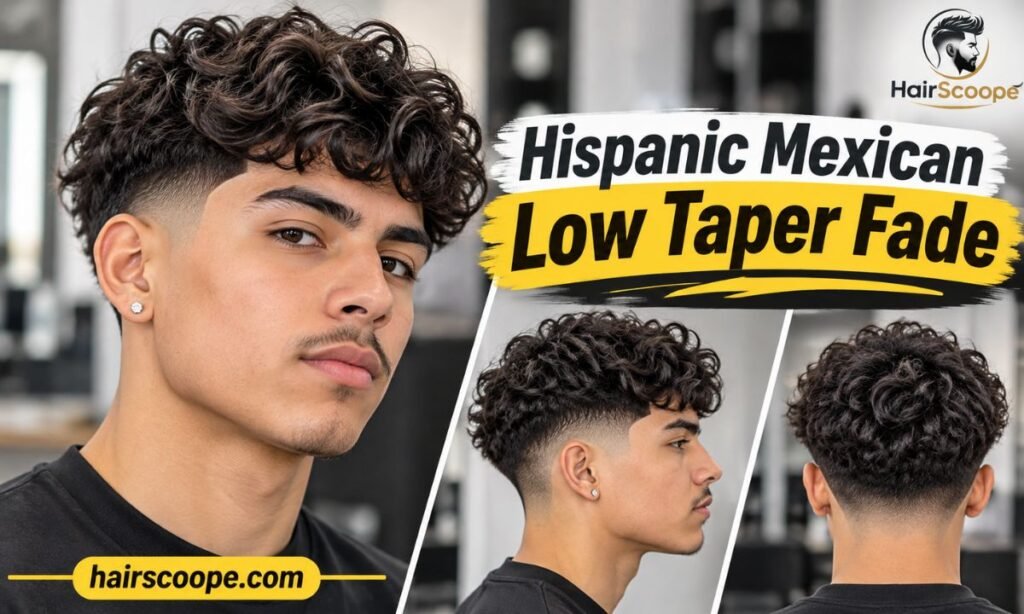
A Hispanic Mexican low taper fade is a short, clean haircut where the sides and back shorten gradually, starting low around the sideburns and neckline, while the top stays longer for texture, volume, or shape. It’s usually finished with a sharp lineup, and it can work on straight, wavy, curly, thick, or fine hair.
One thing worth knowing before you book: “Mexican low taper fade” isn’t a formal barbering term. It’s the name many men use for a particular finished look: a low taper, a defined top, and crisp edges. Barbers respond better to details than to labels, so this guide covers both the look and the vocabulary.
You’ll find what the cut actually is, how it differs from similar fades, 12 genuinely different variations, guidance for hair texture and face shape, exactly what to tell your barber, and how to style and maintain it day to day.
What Is a Hispanic Mexican Low Taper Fade?
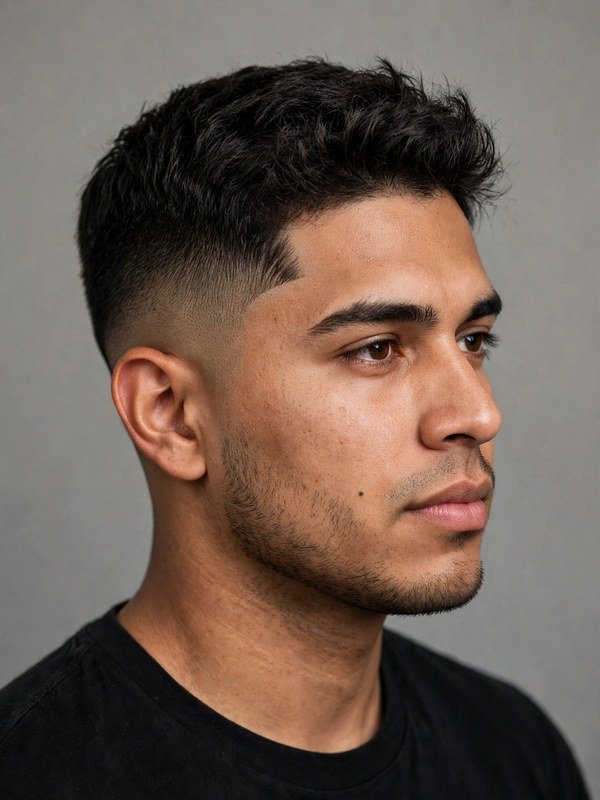
A low taper fade is a haircut in which the hair on the sides and back gets progressively shorter toward the bottom edge, with the shortening starting low on the head: around the sideburn, behind the ear, and along the nape. Most of the side length stays intact above that line, which gives a soft, gradual transition rather than a dramatic contrast.
The “Hispanic Mexican” part describes the styling that usually goes with it, not a different technique. When men search for this look, they’re typically describing a combination of:
- A low, tidy taper around the ears and neckline
- A top that is noticeably longer than the sides, often textured, combed, curly, or brushed up
- A crisp lineup (also called an edge-up) along the hairline and temples
- Sometimes a fringe, a beard, or a blow-dried finish
There’s no single “Mexican hair type,” either. Hispanic and Mexican men have a wide range of textures, from straight and fine to thick, wavy, or tightly curled, so the best version of this cut depends on your hair, not your background. A good barber adjusts the top length, texture, and blend to your hair’s natural behavior.
Taper vs. fade, briefly: a taper shortens hair gradually and usually leaves visible length, while a fade tends to go shorter, often down to skin at the very bottom. A low taper fade blends the two ideas: a gentle, low taper with the option of a very short or skin-level finish right at the edge.
Mexican Taper Fade vs Low Fade vs Mid Taper vs Drop Fade
The key difference is where the shortening starts and how fast it happens. A low taper keeps the most hair and looks the softest. A low fade shortens faster and often reaches skin. A mid taper starts higher on the head. A drop fade changes the shape of the line rather than just its height.
| Cut | Where it starts | How short it gets | Overall look | Grow-out |
| Low taper fade | Sideburns and nape, hugging the ear | Gradual; short but not always skin | Soft, natural, easy to wear | Usually the gentlest |
| Low fade | Low, near the ear and nape | Faster shortening, often to skin | More contrast, sharper | Noticeable sooner |
| Mid taper | Around temple level | Shortens more of the sides | Cleaner, more visible | Moderate |
| Drop fade | Starts higher at the front, then curves down behind the ear | Depends on the height chosen | Curved line that follows the skull | Curve shows as it grows |
Which should you pick? If you want something that looks neat at the office and forgiving as it grows, a low taper is the safer starting point. If you like strong contrast between a skin-short edge and a fuller top, a low fade delivers it. A mid taper suits men who want more of the sides cleaned up. A drop fade is worth considering when you want the line to curve behind the ear, which can flatter the shape of the head and pairs well with longer tops.
These cuts also combine. A low taper with a slightly dropped line behind the ear is common, so it’s worth telling your barber which feature matters most to you. For a deeper side-by-side of height and grow-out, read this breakdown of low taper fade vs mid taper fade differences before you book.
12 Best Hispanic Mexican Low Taper Fade Styles
These 12 variations aren’t just renamed copies. Each one differs in top length, hair texture, styling, or a defining add-on such as a fringe or beard. Several can be combined, so think of them as starting points. The first two describe the base cut and its most common finish; later entries show how hair type and extras change the result.
1. Classic Mexican Low Taper Fade
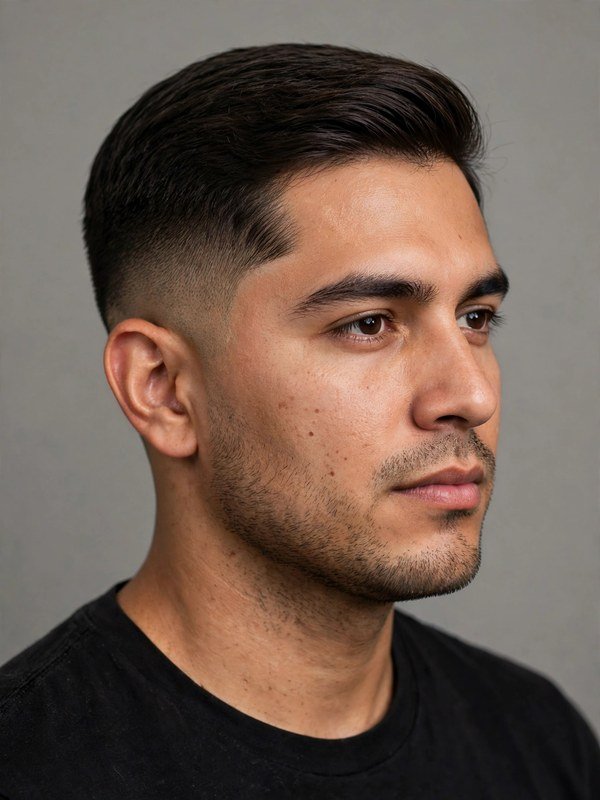
This is the foundation. The sides and back taper low and neatly, and the top is short to medium, long enough to comb or push to the side but not long enough to flop. The finish is clean and polished, usually with a defined part or a simple side sweep.
It works because it’s adaptable: you can dress it up for an interview or leave it matte for the weekend. The trade-off is that it relies on a clean blend, so the neckline and sideburn area show growth first.
2. Low Taper Fade with a Textured Top
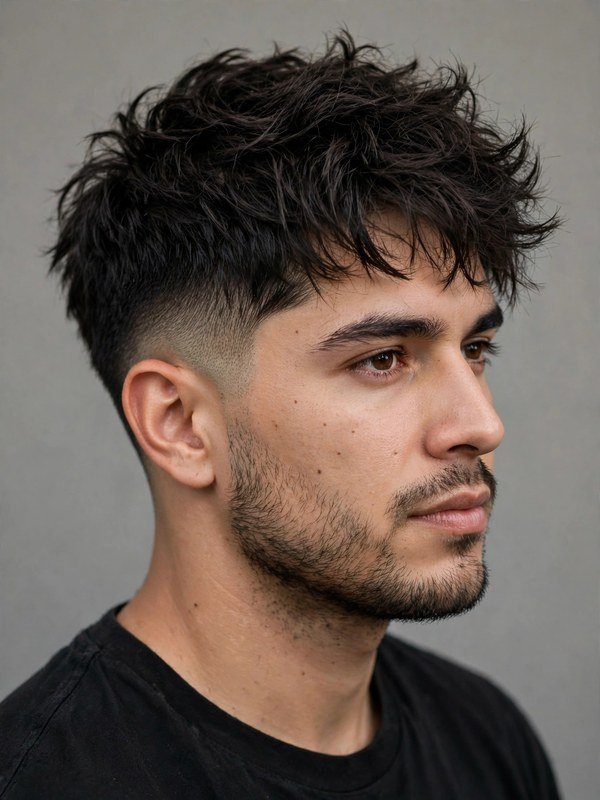
Here the top is cut with choppy, uneven lengths so it separates into pieces instead of lying flat. Styled with a matte clay or paste, it looks tousled and lived-in against the tidy sides.
The contrast between a rough top and a precise taper is the point. It suits straight and wavy hair that needs help looking fuller, and it’s forgiving day to day because slight messiness looks intentional. It does need a bit of product to hold its shape.
3. Curly Mexican Low Taper Fade
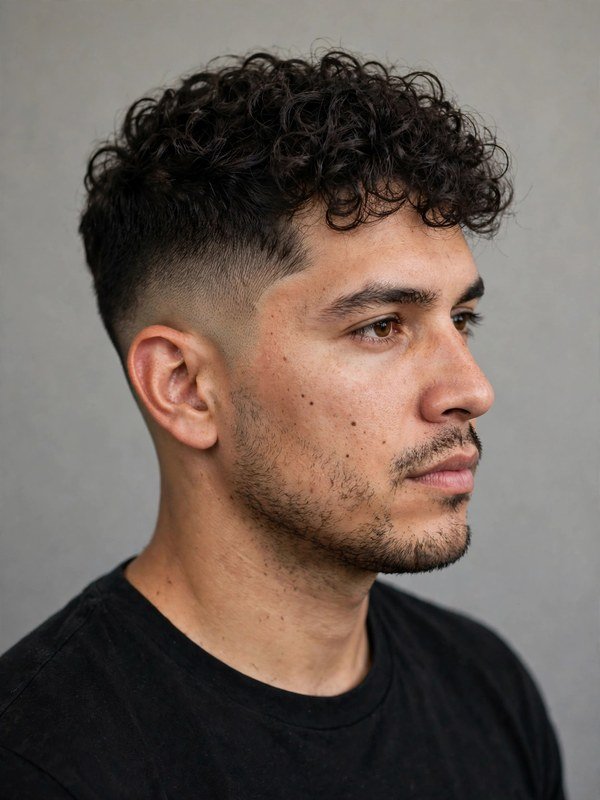
The sides stay tight and tapered while the top is left long enough for curls to form, since curls spring up and appear shorter than they are. Ringlets or coils are defined with a curl cream and left to air-dry or diffuse.
The low taper is especially useful here because it keeps the sides slim without the harsh jump of a high fade. The main risk is cutting the top too short, which removes the curl pattern and leaves a shapeless puff. Ask your barber to cut curls with their natural spring in mind.
4. Straight Hair Low Taper Fade

Straight hair shows every blend line, so a clean taper looks especially sharp. The top is typically styled in a side part, a brushed-back shape, or a forward, lightly textured finish.
Straight hair can lie flat, so ask for subtle layering on top to create lift. Fine straight hair benefits from a light mousse or sea-salt spray; thicker straight hair holds a comb-over with a pomade or paste more easily.
5. Wavy Low Taper Fade
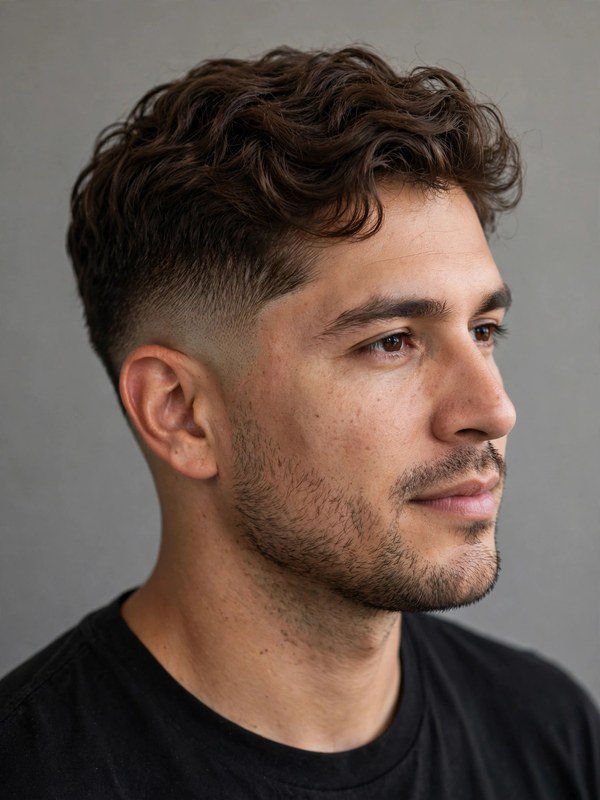
Wavy hair sits between straight and curly, with an S-shaped bend that needs some length to appear. The top is left a little longer so the waves can form, then shaped with a light cream or a bit of scrunching.
It’s a relaxed, slightly tousled look, and the taper keeps it from looking unkempt. On humid days waves can frizz or puff outward, so a lightweight anti-frizz or leave-in product helps.
6. Blowout Low Taper Fade
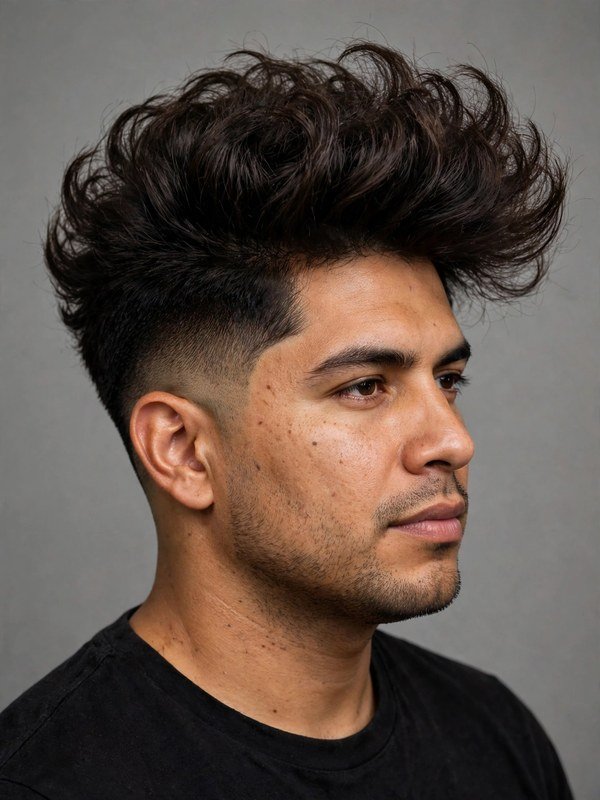
The blowout is about built height. The top is dried upward and back with a dryer and a brush or fingers, creating volume at the front and a smooth sweep over the crown. A strong-hold mousse, spray, or paste keeps it in place.
It differs from the textured top in that it’s deliberately voluminous and combed rather than messy. It suits men with medium-to-thick straight or wavy hair, and it needs a few minutes with a dryer each morning, so it isn’t the lowest-effort option.
7. Edgar Cut with a Low Taper Fade
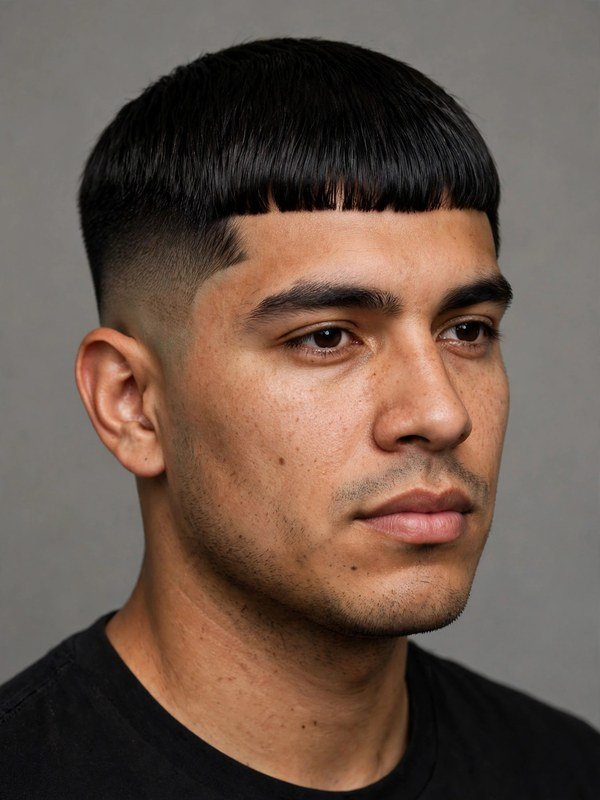
The Edgar cut is defined by a blunt, straight-across fringe cut like a shelf over the forehead, paired with tapered or faded sides and a very sharp lineup. The silhouette is graphic and geometric.
It works best on straight, thick hair that holds a flat edge. It’s a bold choice and can be restricted by some school or workplace dress codes, so check expectations first. Because the fringe line is so precise, it needs more frequent trims to stay crisp.
8. Long Hair Mexican Taper Fade
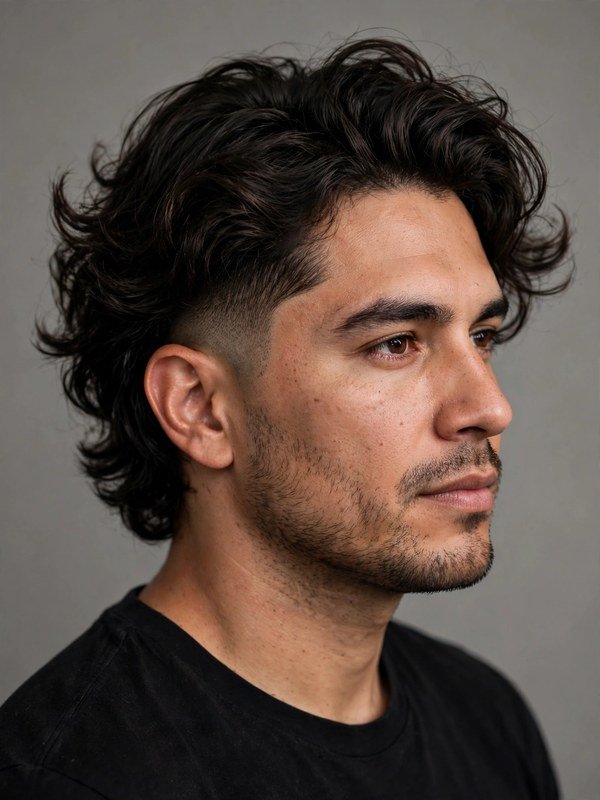
A longer top, which may be swept back, grown into shoulder length, or tied up, is kept in proportion by a low, narrow taper at the sides and nape. Without the taper, long hair can bulk out around the ears and create a wide, bottom-heavy shape.
It’s a stylish option for men who want length without a shaggy outline. The grow-out phase is easy, and the top can be tied back or worn down. Expect to invest more in conditioner and detangling.
9. Low Taper Fade with a Lineup
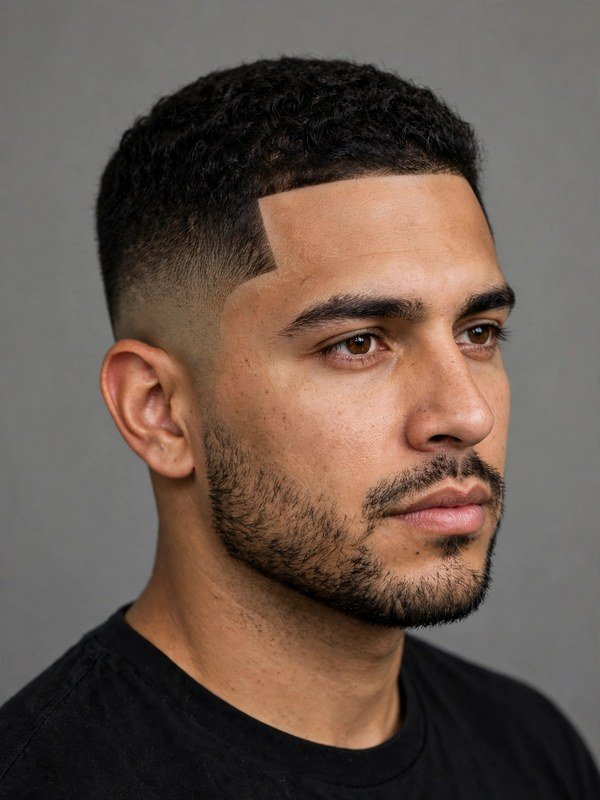
A lineup (or edge-up) sharpens the front hairline, temples, and sometimes the sideburns with a clipper or trimmer, giving the face a framed, defined look. It’s a feature that can be added to many of the other styles here.
This variation puts the lineup front and center. It looks very clean at first and fades the quickest, so it asks for more frequent upkeep. A lineup should follow your natural hairline; pushing it too far back can look unnatural, especially if the hairline is uneven or receding.
10. Low Taper Fade with a Beard
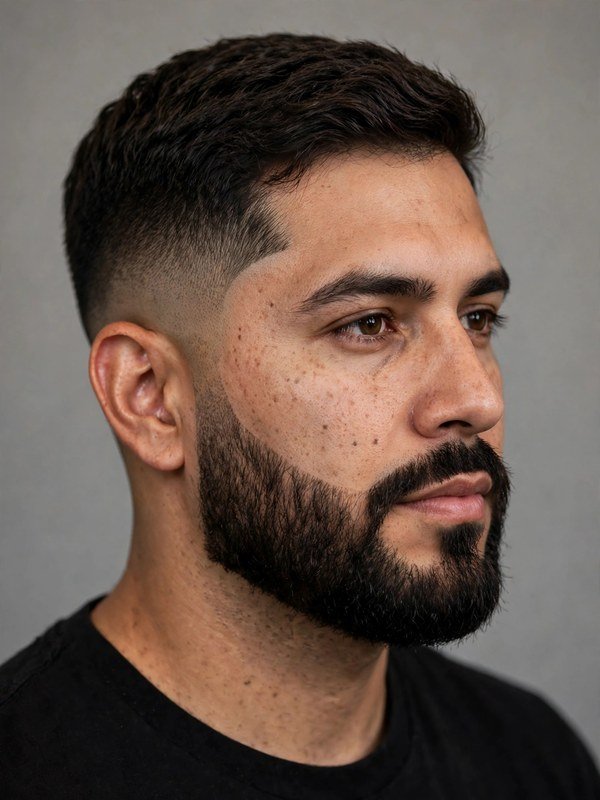
The sideburns taper naturally into the beard, so the head and face read as one continuous shape. The beard can be heavy stubble, a short boxed beard, or a fuller style, depending on growth.
The low taper matters because it leaves a smooth connection at the sideburn and doesn’t create a gap. The beard’s edges, neckline, and cheek line need regular cleaning to match the sharpness of the haircut. See the beard section below for specific pairings.
11. Low Taper Fade with a Fringe
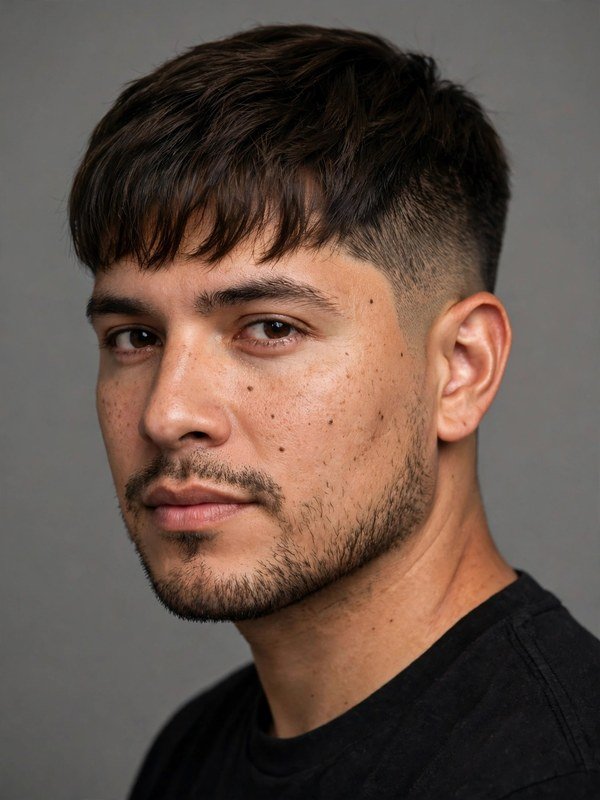
Unlike the blunt Edgar fringe, this version has a softer, textured fringe: swept to the side, pushed forward, or loosely broken up across the forehead. The sides remain tapered low.
It’s a good choice for men with a high forehead or wanting a youthful, relaxed finish. Cowlicks or a strong crown whorl at the front can affect how a fringe falls, so mention them to your barber. It grows out more gently than the Edgar cut. For more ideas on how texture changes the look, browse this low taper fade with textured fringe style guide.
12. Takuache-Inspired Low Taper Fade

“Takuache” is a Mexican slang term associated with a certain streetwear and regional Mexican music aesthetic, and its meaning varies by region and speaker. As a hairstyle, it generally means a clean low taper, a defined or voluminous top, a sharp lineup, and often a neat mustache or beard, styled to look good alongside a cap or hat.
There’s no strict formula, so treat this as a styling direction rather than a technical cut. The practical advice: choose a top length that doesn’t look flat or crushed after wearing a hat, and keep the edges clean because they’re the most visible part of the look.
How a Mexican Low Taper Fade Looks on Different Hair Textures
The cut changes with texture, so the same instructions won’t give the same result on everyone.
Straight hair. Straight hair shows the blend clearly and falls flat easily. The look is sleek, but without layering the top can look limp. Texturizing and light products add lift.
Wavy hair. Waves add natural movement and body to the top. They need a bit of length to appear, and they respond well to light creams or scrunching.
Curly hair. Curls give the top natural volume and shape. Leave enough length for curls to spring, define them with curl cream, and avoid brushing dry curls, which causes frizz. Healthline notes that curly and coily hair types tend to lose moisture and dry out more easily, so a moisturizing conditioner or curl cream is worth the effort.
Coily or very tight curls. Shrinkage is the main factor: hair can look much shorter and dry than it measures when stretched. The low taper keeps the sides sharp while letting the top show its natural pattern.
Thick or coarse hair. Thick hair adds bulk quickly, so the taper needs regular upkeep to stop the sides from puffing out. A barber may thin the top slightly to reduce weight.
Fine or low-density hair. Fine hair can look sparse when cut too short. Keeping a bit more length on top, using volumizing products, and avoiding heavy pomades helps it look fuller.
Best Mexican Low Taper Fade Styles for Different Face Shapes
Face shape is a styling consideration, not a rule. The elements you can adjust are top height, fringe, side length, and fade height, all of which change visual balance.
- Oval: Balanced proportions make most variations workable. Pick based on hair type and lifestyle.
- Round: Added height on top and a tapered, close-to-the-head side can make the face look a little longer. Avoid heavy volume at the sides.
- Square: A strong jaw works with both sharp and softer textured finishes. A textured top can soften angular features.
- Oblong/long: Avoid too much height. A fringe or more side volume can shorten the visual length of the face.
- Heart: A fringe or forward-swept top balances a wider forehead, and keeping the sides from being too tight prevents a narrow chin from looking exaggerated.
- Diamond: A fringe or some top volume balances the wider cheekbones, and a beard can add shape to the jawline.
If you’re unsure, bring a reference image and ask your barber how the proportions would look on your face.
What to Ask Your Barber for a Mexican Low Taper Fade
The label alone won’t convey the details. Bring a reference photo, and cover these points:
- Where the taper starts. Say you want it low, around the sideburn and nape.
- How short the bottom edge gets. Tell them whether you want it short but not skin, or faded to skin at the very edge.
- Top length. Show with your fingers or a photo, and say whether you want it combed, textured, curly, or brushed up.
- Fringe or no fringe. If yes, specify blunt or soft and how far it should reach.
- Lineup. Ask whether you want a sharp, natural, or no lineup, and how closely it follows your hairline.
- Neckline. Options include natural, rounded, tapered, or squared.
- Beard blend. If you have a beard, ask for the sideburns to blend smoothly into it.
- Finish and maintenance. Tell them how much time you want to spend styling and how often you’ll return.
A simple version might sound like: “I’d like a low taper starting around the sideburn, a little contrast at the bottom edge, a textured top that’s about this long, and a natural lineup.” Mention cowlicks, thin patches, or uneven growth too, since they affect how a barber shapes the top. There’s no universal clipper number, because results depend on your hair and your barber’s technique.
How to Style a Mexican Low Taper Fade at Home
The goal is to shape the top while leaving the taper to do its job.
- Start with clean hair. Wash with shampoo suited to your scalp, and condition if your hair is curly or dry.
- Towel-dry gently. Pat instead of rubbing to limit frizz, especially on waves and curls.
- Apply a base product. Mousse or sea-salt spray adds lift to straight and fine hair; leave-in conditioner or curl cream defines waves and curls.
- Dry with intent. Blow-dry upward and back for volume, or diffuse curls on low heat. Air-drying is fine for curls and waves, but give it time.
- Finish. Use a paste or clay for a matte, textured look, pomade for shine and a defined comb-over, or a light cream for a natural finish. Gel gives hold for sharp shapes but can look stiff.
- Check the edges. Wipe stray product from the taper and lineup so the contrast stays crisp.
Use less product than you think you need, since too much weighs hair down and builds up on the scalp.
How Often Should You Maintain a Low Taper Fade?
There’s no single schedule. Growth speed, hair thickness, and how sharp you want the cut to look all matter. As a general pattern, the taper and lineup look best soon after a cut and soften noticeably after a few weeks, so many men book regular visits every few weeks. A softer, more natural look can stretch longer between appointments, while a sharp lineup or blunt fringe needs more frequent touch-ups.
Grow-out behavior: the areas around the sideburns, ears, and neckline show growth first, and the contrast between the taper and the top gradually fades. A low taper usually grows out more gracefully than a skin fade because there’s less of a drastic jump. If you want to prolong it, ask your barber for a quick clean-up of the neckline and sideburns between full cuts, and keep the top length unless you’re planning a change.
At home, wash regularly, avoid product buildup, and trim only what you’re comfortable with. Leave the lineup and blend to a professional.
Common Mexican Low Taper Fade Mistakes to Avoid
- Asking only for the name. “Mexican fade” can mean different things to different barbers. Describe the details.
- Ignoring hair texture. The same top that looks great on straight hair can look shapeless on curls.
- Cutting the top too short. Length you remove can’t be recovered, especially if you want curls, waves, or a fringe.
- Choosing a fringe without checking your hair’s growth pattern. Cowlicks and strong crown whorls change how a fringe falls.
- Pushing the lineup too far. An overly aggressive edge-up can look unnatural and leave you with a hairline you didn’t plan on.
- Overusing products. It creates buildup and can make hair look greasy or stiff.
- Skipping maintenance. The cut depends on clean edges; if you can’t return regularly, choose a softer variation.
If you like the shape but want easier upkeep, a slightly longer taper with a more natural lineup is a realistic compromise.
How to Adapt Your Low Taper Fade for School, Work, and Social Media
School. Dress codes vary, and some schools restrict blunt fringes, very sharp lineups, or extreme contrast. A classic or textured low taper is usually the safest choice, and the policy is worth checking first. Parents helping a teenager choose should balance his preference with these rules.
Work. For conservative workplaces, keep the top neat and combed, the lineup natural, and the taper subtle. A classic version with a clean side part looks polished and holds up well over a long day.
Social media and events. Photos reward texture and defined edges, and a blowout or a textured top reads well on camera. For events, a fresh cut a few days earlier tends to look sharper than one done minutes before.
Caps, helmets, and sports. Hats and helmets can flatten the top and cause sweat-related frizz. Choose a top length that recovers easily, and rinse or restyle afterward.
Best Beard Styles to Pair with a Mexican Low Taper Fade
The taper should blend into the beard at the sideburn, and the beard should reflect the formality of the haircut.
- Heavy stubble: A relaxed, low-maintenance pairing that keeps the face defined without a full beard.
- Short boxed beard: Trimmed with clean cheek and neck lines, it looks sharp with a lineup and polished top.
- Full beard: Works with longer tops; keep the edges neat so the face doesn’t look heavy.
- Goatee or mustache: Suits men with patchy growth or those who want to focus on the mouth and chin. A mustache is also a common part of the Takuache-inspired look.
- Clean-shaven: Highlights the taper and lineup most, but shows every imperfection.
If your beard is thin or patchy, a shorter style is usually more flattering than letting it grow unevenly.
Which Mexican Low Taper Fade Style Should You Choose?
There’s no winner, only trade-offs. Use these quick guides:
| If you want… | Consider |
| A safe, versatile everyday cut | Classic Mexican low taper fade |
| A casual, lived-in look | Textured top |
| To show off natural curls | Curly low taper fade |
| Volume and a polished finish | Blowout |
| A bold, graphic shape | Edgar cut |
| Length with a clean outline | Long hair taper |
| Maximum sharpness | Lineup |
| A cohesive face and head shape | Beard pairing |
| Softer forehead coverage | Fringe version |
| A street-style, hat-friendly look | Takuache-inspired |
Think about three things: how much time you’ll spend styling, how often you can visit a barber, and where you’ll wear it. If you’re undecided, start with the classic or textured version and adjust the top length at your next cut.
Final Thoughts
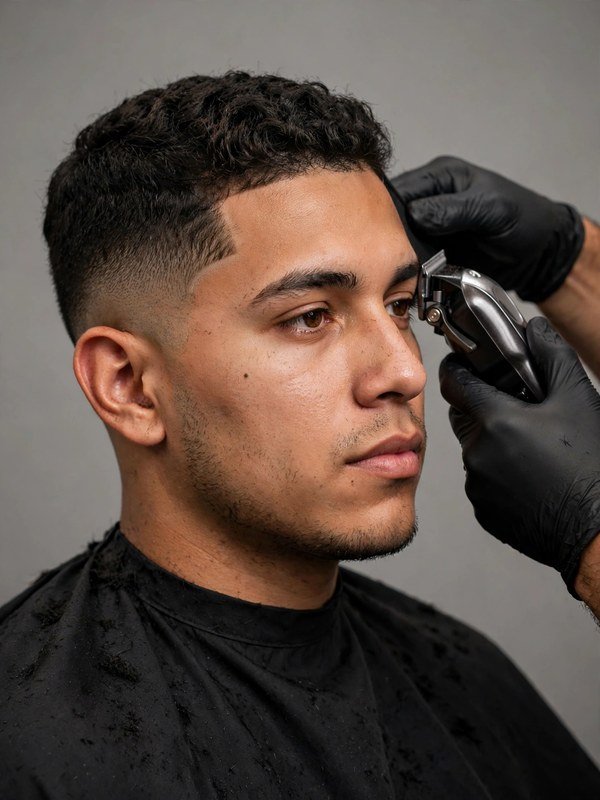
The Hispanic Mexican low taper fade is less a single haircut than a combination of a low, gradual taper, a defined top, and crisp edges, adapted to your hair. The 12 styles above vary in top length, texture, fringe, and extras like a lineup or beard, so the right one depends on your hair type, face shape, lifestyle, and how much upkeep you want.
Bring a reference image, describe the taper height, top length, and lineup you want, and plan realistic maintenance. With those details, you can get a result that looks sharp and still fits your daily routine.